You’ve decided to start working out at home, but gym equipment costs more than you expected.
A decent treadmill runs ₹30,000 or more. Dumbbells, benches, and other gear add up quickly. Before you know it, setting up a basic home gym means spending over a lakh money most people don’t have lying around.
Used fitness equipment makes financial sense. Someone bought it with good intentions, used it for a few months, and now it’s sitting idle. They want to sell, and you want to save money. But buying second-hand gym gear comes with concerns. What if the treadmill motor is dead? What if the weights are rusted? What if you’re buying equipment that breaks down within weeks?
Most online platforms connect you with sellers far away, which means trusting photos and hoping the equipment arrives in the condition described. Shipping heavy gym equipment is expensive too, sometimes costing thousands of rupees.
Local classifieds work differently. You find sellers nearby, visit their home, test the equipment yourself, and only pay if everything checks out. No blind purchases. No shipping headaches. Just a straightforward look at what you’re buying before committing.
Why Buying Fitness Gear Needs Careful Inspection
The main problem with used gym equipment is that the condition isn’t obvious from photos.
A treadmill might look fine in pictures, but the belt could be worn, the motor could make strange noises, or the control panel might have issues. Dumbbells might have rust you can’t see clearly. An exercise bike’s resistance mechanism might not work properly.
Unlike a phone or a book, fitness equipment is mechanical. It has moving parts, weight-bearing components, and electronics that can fail. These problems only become clear when you actually use the equipment or inspect it closely.
Most people selling gym equipment aren’t experts either. They might not realize their treadmill has issues, or they might downplay problems hoping to make a sale. Some genuinely don’t know what to mention in the listing.
For buyers, this creates uncertainty. You need equipment that works reliably, not something that becomes unusable after a few workouts.
When you buy and sell locally, you eliminate guesswork. You see the equipment in person, test it, check for problems, and make an informed decision based on what’s actually in front of you.
Essential Checks for Different Equipment Types
When you meet a seller, knowing what to inspect helps you avoid problematic purchases.
Here’s what to check for common fitness equipment:
Treadmills
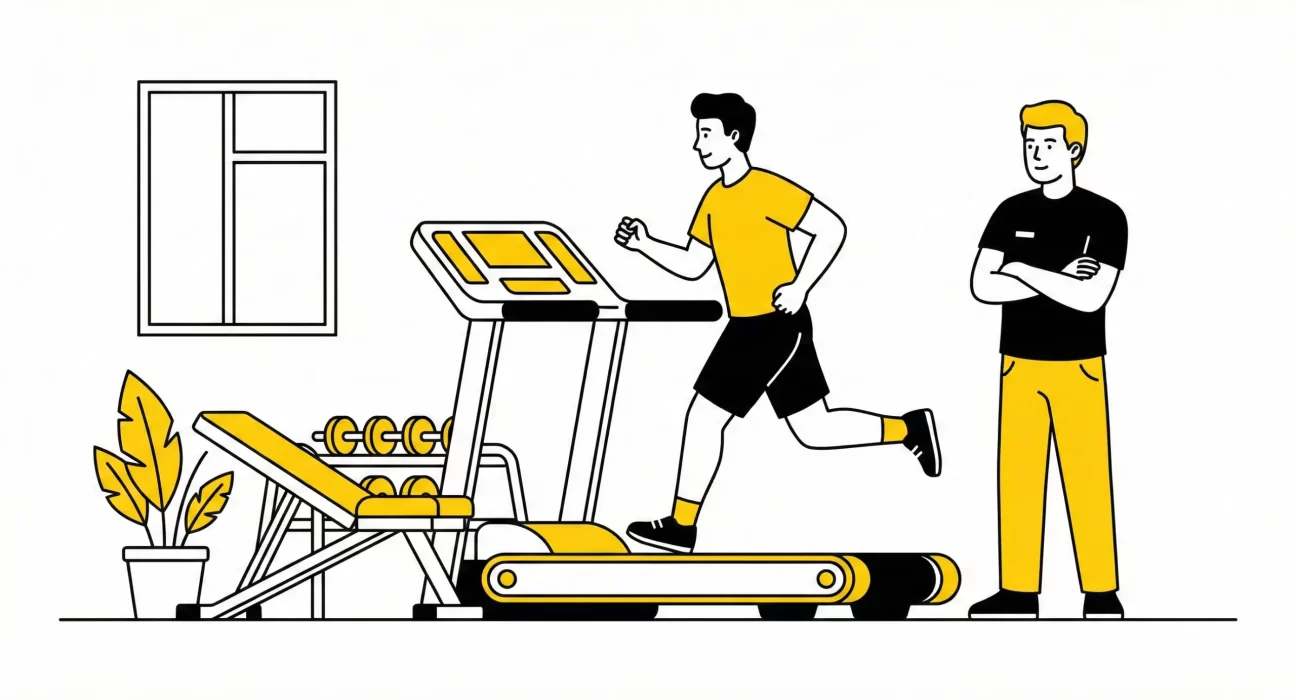
Start by looking at overall conditions. Check the running belt for wear, fraying, or cracks. Turn on the treadmill and let it run at different speeds. Listening for unusual motor sounds grinding, clicking, or excessive noise indicates problems.
Walk or run on it yourself. The belt should move smoothly without jerking or slipping. Test the incline function if it has one. Check the control panel, all buttons should work, and the display should be clear.
Look underneath for signs of wear, loose parts, or damage. Ask how often it was serviced and if the belt or motor was ever replaced.
Exercise bikes and cycles
Sit on the bike and pedal. The motion should be smooth without wobbling. Test all resistance levels and they should change noticeably and stay consistent during use.
Check the seat adjustment mechanism. It should lock firmly at different heights. Inspect pedal straps or clips for wear or damage.
If it’s a stationary bike with electronics, verify that the display works and shows metrics accurately. Listen for squeaking or grinding sounds while pedaling these indicate bearing or chain issues.
Weights and dumbbells
Examine each piece for rust, cracks, or damage. Surface rust on iron plates is common and acceptable, but deep rust or crumbling metal is a problem.
For adjustable dumbbells, test the weight-change mechanism multiple times. It should lock securely at each setting. Shake them to ensure weights don’t rattle loose.
Check rubber-coated weights for peeling or missing chunks. Metal plates should sit flat and not be bent or warped.
Weight benches
Sit and lie on the bench to test stability. It shouldn’t wobble or creak excessively. Check all adjustment mechanisms they should lock firmly in place.
Inspect the padding for tears, excessive wear, or compression that won’t bounce back. Look at the frame for rust, cracks, or bent metal.
If it’s a multi-purpose bench with attachments, test each function. Leg curl attachments, preacher curl pads, and other add-ons should be stable and secure.
Resistance bands and yoga equipment
Check bands for any tears, nicks, or signs of weakening. Stretch them to see if they return to shape properly. Handles should be intact and securely attached.
Yoga mats should be clean, without permanent odours, and have adequate thickness and cushioning. Look for worn spots or separation of layers.
Multigyms and home gym stations
These are complex, so inspection takes longer. Test every station and function. Pull cables to check for fraying or rough spots. Ensure pulleys move smoothly.
Check weight stacks they should move up and down without sticking. Pins should fit snugly in holes. Look for rust on weight plates and guide rods.
Inspect all joints and connection points for stability. Sit on seats and use handles to verify everything feels secure.
Taking time for thorough inspection protects you from buying equipment that won’t last or needs expensive repairs.
How Local Buying Makes Testing Possible
When you connect with local buyers and sellers, you get something crucial: the ability to actually use the equipment before buying.
Photos and descriptions can’t tell you if a treadmill runs smoothly or if a bench feels stable under your weight. You need hands-on testing, and that only works when the seller is nearby.
This direct interaction also lets you ask questions that matter. How long have they owned it? How often did they use it? Has anything been repaired or replaced? Why are they selling?
The answers, combined with what you see and test, give you a complete picture. If someone says they barely used the treadmill but it shows heavy wear, that’s a red flag. If they’re honest about moderate use and you can verify it works well, that builds confidence.
Being local also means you can inspect the equipment in the space where it’s been kept. If it’s been stored in a damp garage, you might see rust or moisture damage. If it’s in a climate-controlled room, the condition is usually better.
And if something feels off during your visit the seller seems evasive, the equipment has issues they didn’t mention, or the price suddenly changes so you can walk away without losing money.
Finding Genuine Sellers in Your Area
The key to buying reliable used fitness equipment is connecting with honest sellers nearby.
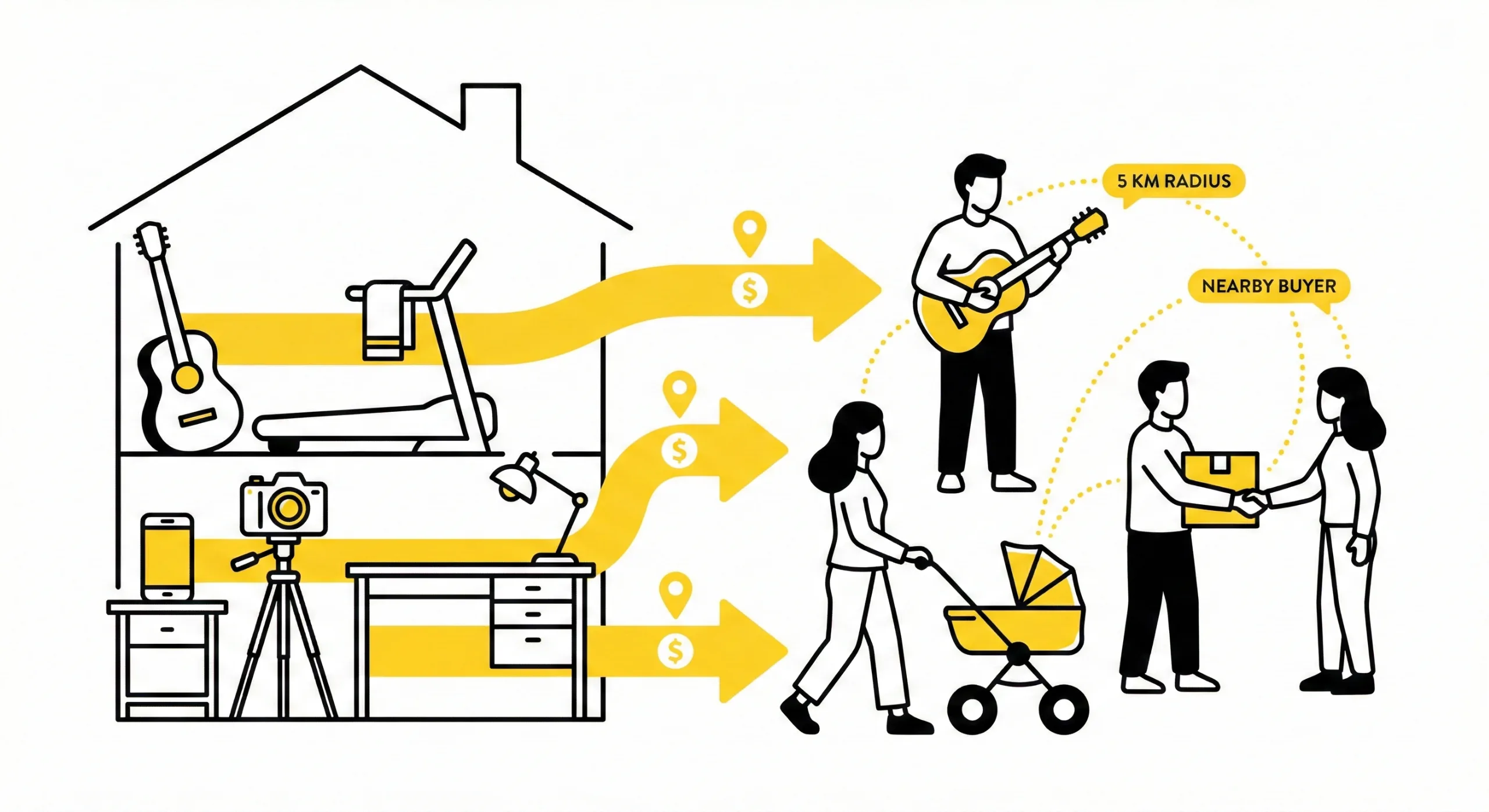
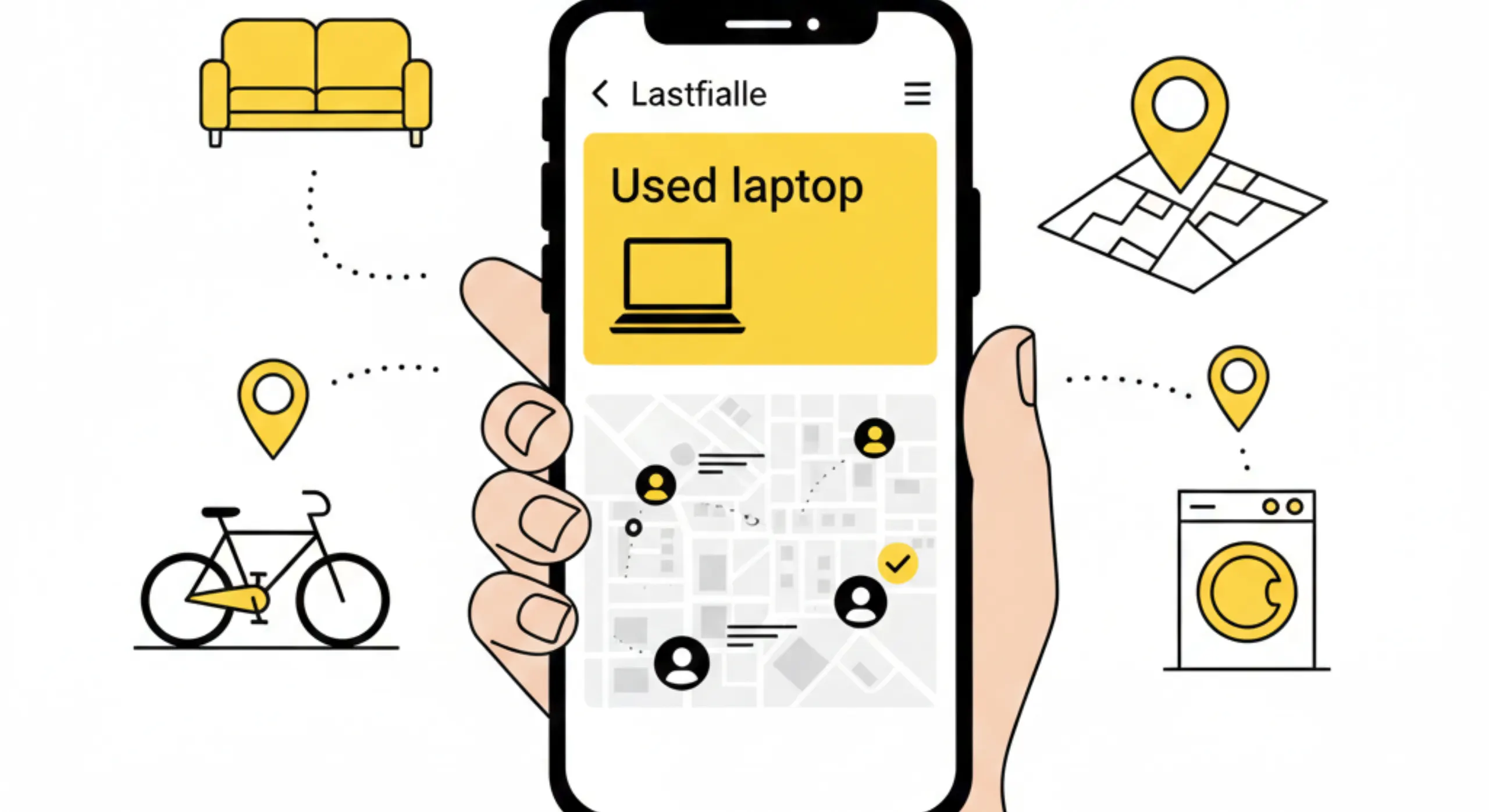
Sympl classifieds help because they focus on proximity. When you search for a treadmill or dumbbells, you see listings from people in your city, often your own neighbourhood.
This makes meeting practical. You’re not arranging transport from another state or coordinating with someone you’ll never meet face-to-face. You message the seller, set a time, and visit within a day or two.
Local sellers also tend to be more straightforward. They know you’re coming to see the equipment in person, so there’s less incentive to hide problems. The accountability that comes with face-to-face transactions keeps things honest.
When you find a listing that interests you, message the seller with specific questions. Ask about age, usage frequency, condition, and why they’re selling. Their willingness to answer clearly tells you a lot about how the transaction will go.
Always arrange to visit during daylight hours. Bring someone with you if possible, especially for first-time purchases. Most sellers are genuine, but taking basic safety precautions is sensible.
Pricing That Reflects Real Value
Used fitness equipment should cost significantly less than new, but exact pricing depends on brand, condition, and age.
When you buy locally, pricing tends to be more realistic because sellers know what similar items in the area are listed for. They can’t inflate prices the way some distant online sellers try to.
Generally, lightly used equipment in excellent condition sells for 50–70% of original price. Equipment that’s been used regularly for a year or two typically goes for 40–50%. Older or heavily used items should cost less usually 30–40% or below.
Branded equipment from reputed companies holds value better than generic brands. A Reebok or Lifelong treadmill will command better prices than an unknown brand, even in similar condition.
You can negotiate based on what you find during inspection. If you notice wear, missing accessories, or minor issues, mention these and discuss a fair adjustment.
Before meeting the seller, research what the equipment costs. Check online stores and local sports shops. This gives you a reference point for negotiation.
Low-cost buying only makes sense when you’re getting equipment that will actually serve you well. Don’t buy something heavily worn just because it’s cheap if it won’t last or function properly.
Who Benefits Most from Local Fitness Purchases
Buying used gym equipment locally works well for specific situations and people.
Beginners starting home workouts
If you’re just beginning a fitness journey, buying expensive new equipment is risky. You don’t know yet if you’ll stick with it. Starting with affordable used equipment lets you build the habit without major financial commitment.
People with budget constraints
Not everyone can spend a lakh setting up a home gym. Buying quality used equipment locally makes home fitness accessible to people who couldn’t otherwise afford it.
Those testing different workout styles
If you want to try strength training, cardio, or different exercise approaches, buying used equipment lets you experiment affordably. If something doesn’t work for you, you can resell it without major loss.
Apartment dwellers with space limits
When you have limited space, buying one or two key pieces used makes more sense than investing heavily in equipment you’re not sure will fit your routine.
Anyone preferring practical value
If you care more about functionality than having brand-new gear, buying well-maintained used equipment gives you the same workout benefits at a fraction of the cost.
People who value seeing and testing items before buying will find this approach more reliable than trusting photos and descriptions alone.
Transport and Setup Considerations
Once you’ve inspected equipment and agreed on price, you need to get it home.
For smaller items like dumbbells, resistance bands, or yoga mats, this is simple, you carry them yourself or fit them in your vehicle.
Larger equipment like treadmills, multigyms, or exercise bikes requires planning. Ask the seller about dimensions and weight before visiting. Consider whether you’ll need help moving it.
Some sellers offer to help load equipment into your vehicle. Others expect you to arrange everything. Clarify this before finalizing the purchase.
If you don’t have a suitable vehicle, hiring a small tempo or pickup truck for an hour costs ₹500–800 in most cities. For very heavy equipment, you might need two people to help with loading and unloading.
Some equipment needs assembly or reassembly after transport. If you’re not comfortable with this, ask if the seller can provide basic instructions or if assembly was simple when they set it up originally.
Plan the space at home before buying. Measure doorways, staircases, and the room where equipment will go. Large treadmills or multigyms won’t fit through narrow passages or tight corners.
Making the Transaction Straightforward
Once you’ve tested the equipment and are satisfied with condition and price, the actual transaction is simple.
Most people pay in cash or through UPI after inspecting and agreeing on the final price. Some sellers prefer payment before you leave with the equipment, which is reasonable.
If the equipment came with a manual, warranty card, or accessories, ask if those are included. Original packaging isn’t necessary for used items, but manuals can be helpful for assembly or maintenance.
Get the seller’s contact information in case you need to ask questions later about assembly or usage. Most sellers are happy to help if issues come up within the first few days.
If you’re buying expensive equipment like a high-end treadmill, consider writing a simple receipt noting the item, price, date, and both parties’ signatures. This isn’t legally required but provides documentation for both sides.
Take photos of the equipment before transporting it, especially if it’s in excellent condition. This protects you if damage occurs during transport and you need to reference the original state.
Why Sympl Classifieds Work Better for Gym Equipment
Crowded marketplaces are filled with commercial gym equipment sellers, refurbishment businesses, and bulk dealers.
Your search results mix individual sellers with businesses offering brand-new equipment, EMI options, and installation services. Finding genuine person-to-person deals becomes difficult when professional listings dominate.
Sympl classifieds focus on direct connections between local buyers and sellers. You’re not competing with commercial operations. You’re finding people in your neighbourhood who bought equipment they ended up not using and now want to sell items fast.
This keeps prices honest and interactions simple. No dealer markup. No pressure to buy extended warranties or accessories. Just two people meeting, testing equipment, and agreeing on a fair price.
For buyers, this means access to quality gym equipment at genuinely lower prices from people you can meet and talk to. For sellers, it means clearing space without dealing with complicated shipping or commercial platform requirements.
Moving Forward with Your Purchase
Buying used fitness equipment locally removes the uncertainty that comes with online shopping for heavy, mechanical items.
You meet the seller, test the equipment thoroughly, inspect for problems, and only pay after confirming everything works as expected. You know exactly what you’re getting before money changes hands.
You save substantial amounts, sometimes tens of thousands of rupees which makes home fitness affordable. The equipment performs the same functions as new gear, and minor cosmetic wear doesn’t affect functionality.
And because you’re buying nearby, if any genuine issue comes up in the first few days, you can reach the seller more easily than someone who shipped equipment from another state.
This is how local buying and selling works best for fitness equipment, practical, transparent, and built on the simple reality that testing a treadmill or lifting weights in person before buying them makes far more sense than trusting photos and hoping for the best. Especially when your fitness goals depend on having reliable equipment you’ll actually use.