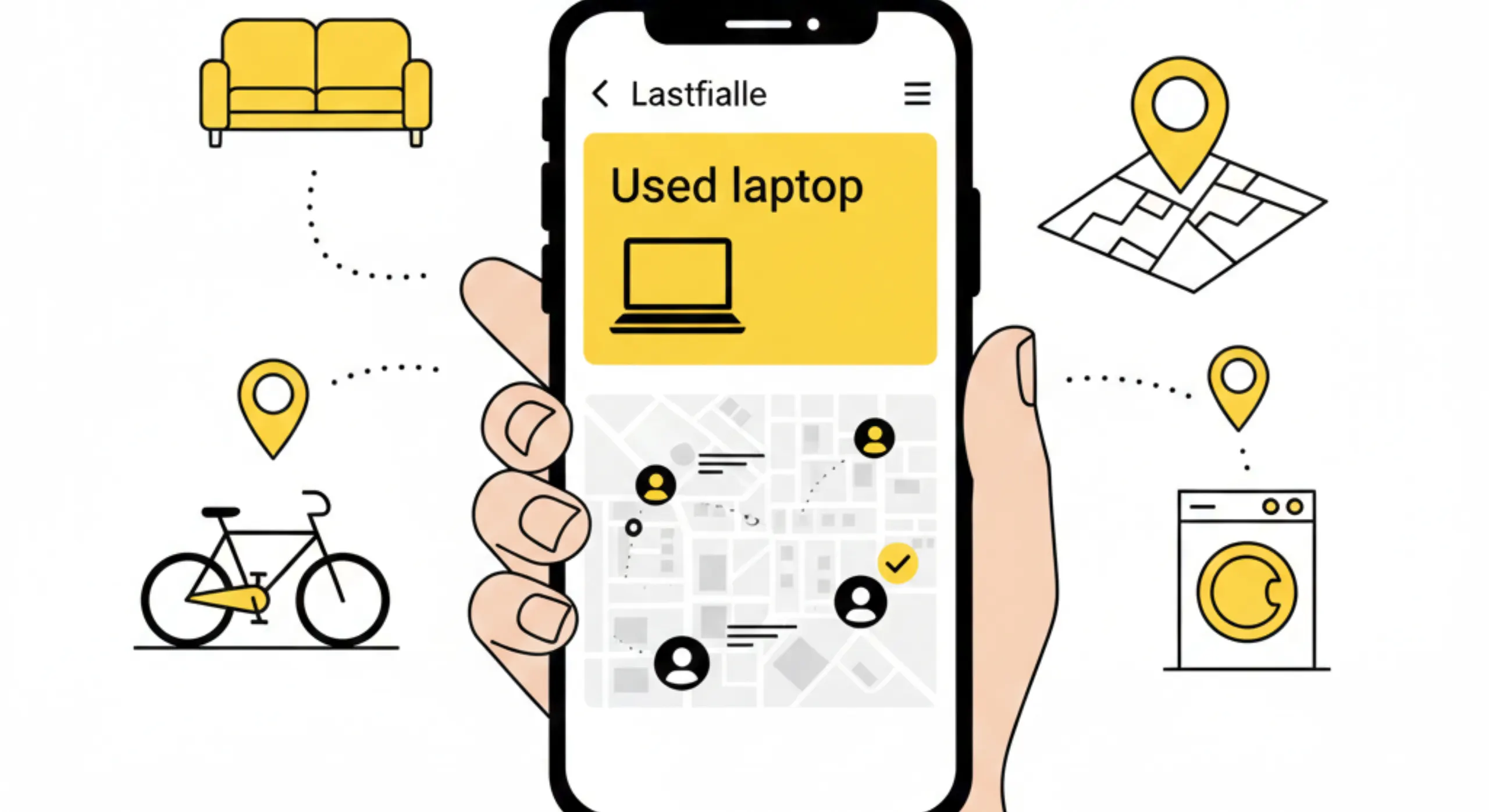
There’s a laptop sitting unused in someone’s apartment three blocks from you. A bookshelf that doesn’t fit their new place. A bicycle they bought for weekend rides that turned into once-a-year rides.
Meanwhile, you’re scrolling through endless online listings, looking at items from sellers in different cities, wondering if buying used is worth the hassle.
The disconnect is absurd. What you need is nearby. Who has it is nearby. But somehow, connecting those two simple facts has become unnecessarily complicated.
That’s the problem Sympl solves. Not with fancy features or complex systems. Just by making local buying and selling work the way common sense says it should.
Why Most Platforms Miss the Point
Let’s walk through what typically happens when you try to sell something.
You’ve got an old phone. It works fine. You upgraded, and now it’s sitting in a drawer. You open a marketplace app to list it.
First hurdle: the form. Model number. IMEI. Purchase date. Warranty status. Original box availability. You’re already tired, and you haven’t even uploaded a photo yet.
Second hurdle: the photos. The app wants five images. Different angles. Specific lighting. You take decent photos, but the upload keeps failing because the file size is too large.
Third hurdle: pricing. You guessed it. You look at similar listings. Half seem overpriced. Half seems too cheap. You pick a number and hope.
You finally publish. Now you wait.
The messages start coming. “Will you ship to Mumbai?” You’re in Hyderabad. “Can you do half price?” It’s already priced fairly. “Is this available?” You respond yes. They never reply again.
A week passes. You’ve answered thirty messages. You’ve had five serious conversations. Zero actual buyers have shown up.
You start wondering if that phone is cursed.
It isn’t. The platform is just working against you.
When systems prioritize scale over simplicity, this is what happens. The platform needs you to fill out detailed forms for their algorithm. They need nationwide reach for their user numbers. They need complex verification for their liability protection.
What you need is someone nearby who wants to buy a phone and can meet you tomorrow.
Those aren’t the same goal.
What Local Actually Means
Here’s something most platforms don’t understand: distance kills deals.
When a buyer sees you’re 50 kilometers away, their interest drops. Not because 50 kilometers is impossible to travel. But because it’s inconvenient enough to make them hesitate. They’ll keep looking. Maybe they’ll come back to your listing. Probably they won’t.
When a buyer sees you’re 5 kilometers away, the calculation changes. They can stop by after work. They can check it out this weekend. They can bring a friend. The item becomes real, not theoretical.
Proximity creates commitment.
This matters even more when you’re buying. You’re not just looking for the lowest price. You’re looking for the lowest price you can actually access without spending three hours in traffic or arranging complicated pickup logistics.
That laptop listed for ₹5,000 less but requiring a day trip? Not actually cheaper once you factor in your time and transportation.
That laptop listed for ₹500 more but available 10 minutes away? Actually the better deal.
Sympl gets this. Everything about the platform is built around the idea that your best transactions happen with people you can actually meet.
No shipping calculations. No interstate coordination. No wondering if the seller will actually follow through when you’ve both invested time in arranging something complicated.
Just: here’s what I have, here’s where I am, come see it.
How Listing Should Work
You don’t need a manual to list something on Sympl. But here’s what the process looks like anyway.
Open the app. Choose your category. Electronics, furniture, vehicles, appliances, whatever fits.
Add photos. Your phone camera is fine. Natural light is better than flash. Show what you’re selling clearly. If there’s a scratch or dent, photograph it. Honesty saves time later.
Write a description. Keep it straightforward. “Sony headphones, used for six months, noise cancellation works great, comes with a case and cable” tells buyers what they need. You don’t need paragraphs.
Set a price. Check what similar items are going for. Price yours in that range. If you want it gone quickly, go slightly lower. If you can wait for the right buyer, price at market rate.
Publish. Your listing is live instantly.
Total time: three to five minutes. If it’s taking longer, you’re overthinking it.
The Things That Make Listings Sell Fast
Some listings sell in hours. Others sit for weeks. This isn’t luck.
Good photos make all the difference. Blurry images or bad lighting tell buyers you don’t care. Clear photos from multiple angles tell buyers you’re serious. Take thirty extra seconds. It matters.
Accurate descriptions build trust. Don’t exaggerate the condition. Don’t hide flaws. “Minor scratches on the back, everything else perfect” is better than “like new” when it isn’t. Buyers appreciate honesty, and honest listings attract serious buyers.
Fair pricing moves inventory. Overpricing because you think you’ll negotiate down just means fewer people contact you. Price it right from the start. You’ll get more interest and close deals faster.
Quick responses close deals. When someone messages you, reply fast. Within an hour if possible. Every hour you delay is an hour they’re browsing other options. Speed shows you’re ready to sell.
Availability matters. Don’t list something and then ignore messages for three days. If you’re not ready to engage with buyers, wait until you are.
One more thing: be flexible on meeting times and locations. The easier you make it for buyers to come see your item, the faster you’ll sell it.
What This Means If You’re Buying
Sympl changes three things that matter when you’re looking to buy used.
First, you see what’s actually nearby. Not items from sellers two states away who “might” be willing to ship. Not outdated listings that should have been removed months ago. What’s available right now within a reasonable distance.
Second, you pay fair prices. Individual sellers aren’t adding business margins. They’re not running storefronts. They’re just trying to get decent value back on items they’ve used. That means better deals for you.
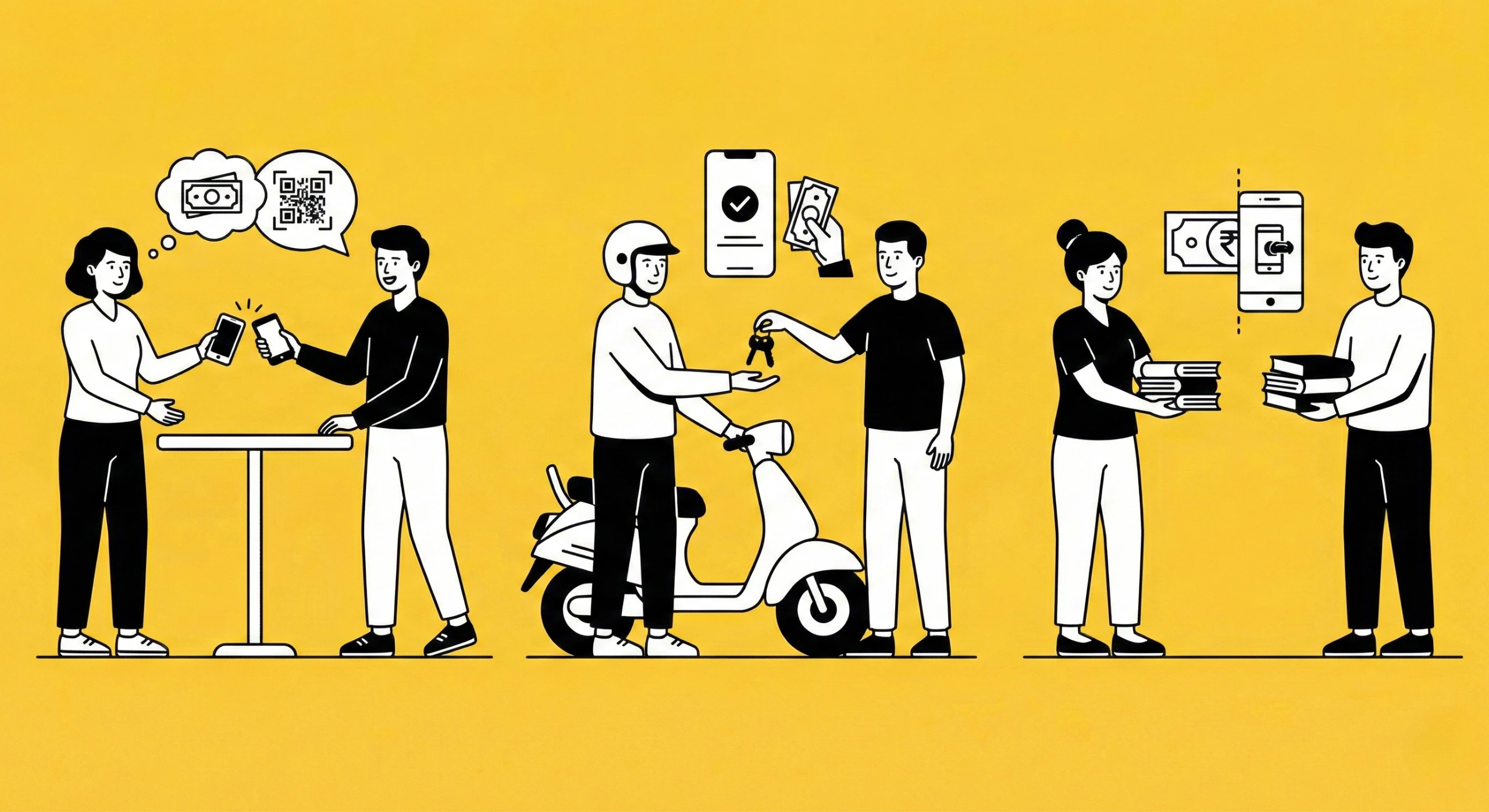
Third, you can inspect first. Meet the seller. Check the item in person. Turn it on. Test it. Look for damage. Ask questions. Then decide. No gambling on whether an online description matches reality.
This is especially important for bigger purchases. You don’t want to buy a scooter sight unseen. You don’t want to order furniture online and hope it’s what the photos showed. Being able to inspect before committing removes the risk.
And it matters when the budget is tight. Students setting up new places. Families managing household expenses. Anyone who’d rather spend wisely than spend more. Local buying gives you access to quality items at prices that make sense.
Who Actually Uses This
Sympl isn’t built for a specific demographic. It’s built for specific situations.
Students between semesters who need to sell before moving or buy when they arrive. You need furniture, electronics, maybe a bike. You need it affordable and available now.
Families upgrading or downsizing. Your kids outgrew their bikes. You’re replacing the refrigerator. You’re moving and can’t take everything. These items have value. Sympl helps you capture it.
Professionals with upgraded tech. That iPhone 13 you replaced with a 15. That laptop you swapped for a newer model. Trade-ins offer terrible value. Selling directly gets you actual money.
First-time sellers who don’t want complications. You’ve never listed anything online. You’re not sure how it works. If the platform requires a tutorial, it’s too complex. Sympl doesn’t.
Anyone tired of wasting time on platforms that don’t deliver. You’ve listed things before. You’ve dealt with flaky buyers, endless questions, and no results. You know there has to be a better way.
What Makes Sympl Different
Most platforms confuse complexity with value.
They add verification processes, rating systems, algorithm-driven recommendations, integrated shipping, payment escrow, dispute resolution, insurance options, and layers of features that sound useful but mostly just slow things down.
Ask yourself: when you’re selling a used phone, do you need any of that?
What you need is: Can I list quickly? Will nearby buyers see it? Can I complete the sale this week?
When you’re buying a desk, you don’t care about 47 platform features. You care about: Can I find what I need nearby? Can I go see it today?
Sympl focuses on answering the questions that actually matter.
It doesn’t add complexity to justify existing. It doesn’t optimize for abstract metrics like “engagement” or “time on platform.” It optimizes for completed transactions. Fast listings. Local connections. Done deals.
That might sound basic. But basic done well beats complicated done poorly every single time.
Why This Matters Beyond Convenience
There’s something bigger happening when buying and selling stays local.
Money stays in your community. When you buy from a neighbor, you’re helping them fund their next purchase, cover moving costs, or manage their budget. When you sell to someone nearby, you’re giving them access to items they need at prices they can afford.
It’s practical economics that benefits both sides.
It’s also better for the environment. Every item that gets reused locally is one less item manufactured, packaged, shipped across the country, and eventually thrown away. Individual transactions are small. Collectively, they add up.
Sympl isn’t trying to save the planet. But making local transactions easier happens to align with common sense economics and environmental responsibility. Sometimes the simplest solution benefits everyone.
What Happens When Sympl Goes Live
The platform launches soon across India. Not a beta. Not a limited rollout. Full launch.
No waiting lists. No invitations. No exclusive access. Just a working platform available to anyone who needs it.
When it goes live, you can list items you’ve been meaning to sell for months. You can search for things you’ve been meaning to buy. You can test whether the promise of simplicity actually delivers.
If your first transaction goes smoothly, you’ll be back. If you sell something in two days that’s been sitting around for two years, you’ll understand why simplicity matters. If you buy something locally, inspect it in person, negotiate fairly, and walk away satisfied, you’ll get it.
This is how buying and selling should work. Direct transactions between real people. No unnecessary barriers. No complicated processes. Just straightforward commerce.
Conclusion
You know what you need to do. Sell the items gathering dust. Buy the things that make sense used instead of new. Save money. Recover value. Move on with your life.
The question isn’t whether you should do this. The question is whether the platform you use makes it easy or makes it a hassle.
Sympl makes it easy.
That phone in your drawer has value. That furniture someone’s selling nearby is exactly what you need. Soon, connecting those two simple facts will be as straightforward as it should have been from the beginning.
No complexity. No confusion. No wasted time.
Just Sympl.