You need a phone urgently. Your current one just stopped working, and you can’t afford a brand-new model right now.
You find a listing for a used phone that seems decent. The seller is asking ₹12,000. You’re not sure if that’s fair, but you need a phone today. You agree to the price, meet up, and make the purchase.
Later that evening, you browse more listings out of curiosity. The same model, same age, similar condition—listed for ₹9,000. Then another for ₹8,500.
You overpaid by at least ₹3,000.
This frustration is common. Buyers often don’t know what used items should actually cost. Sellers sometimes price high, hoping someone won’t check. Urgency clouds judgment. Lack of comparison leads to regret.
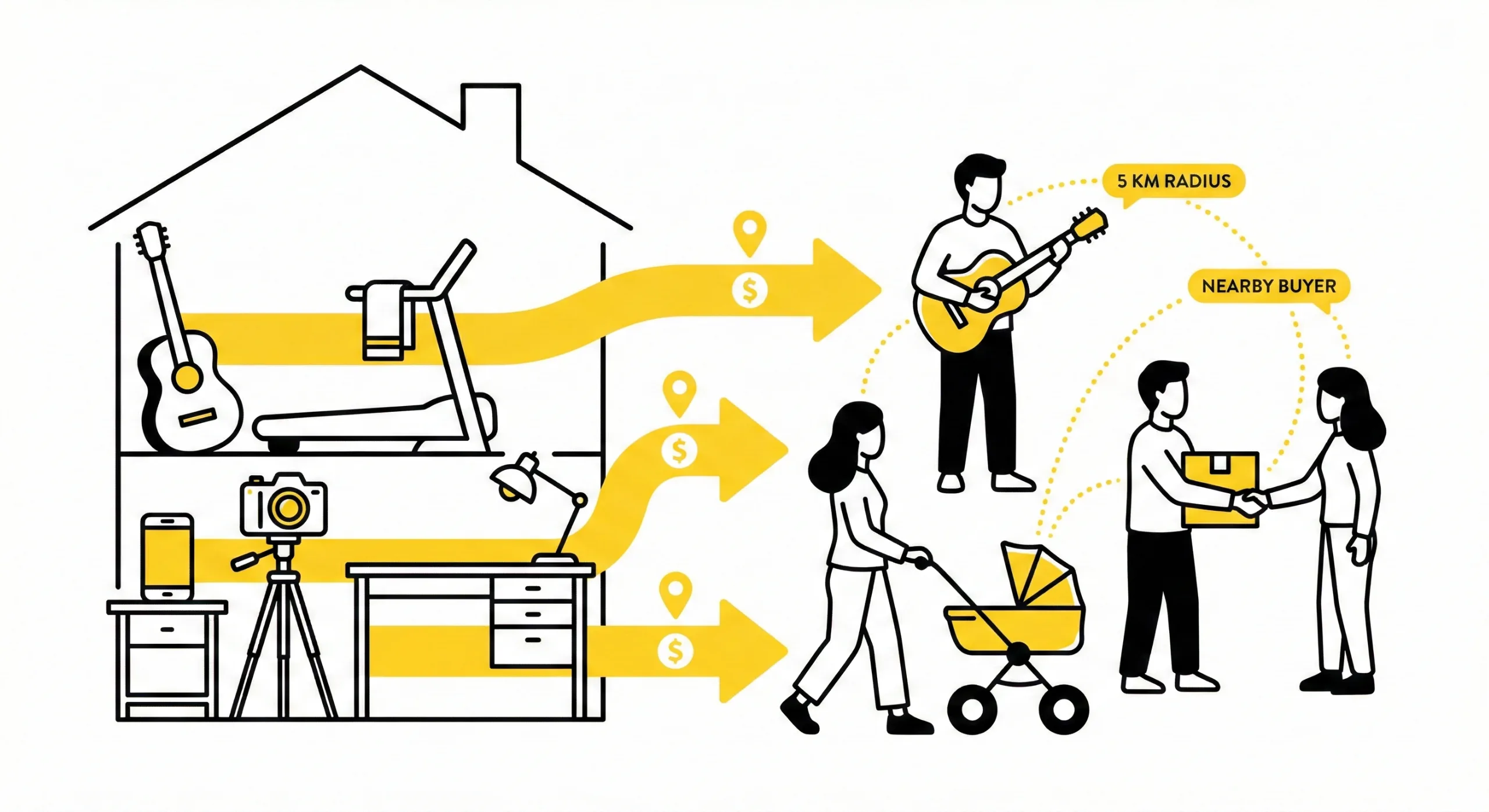
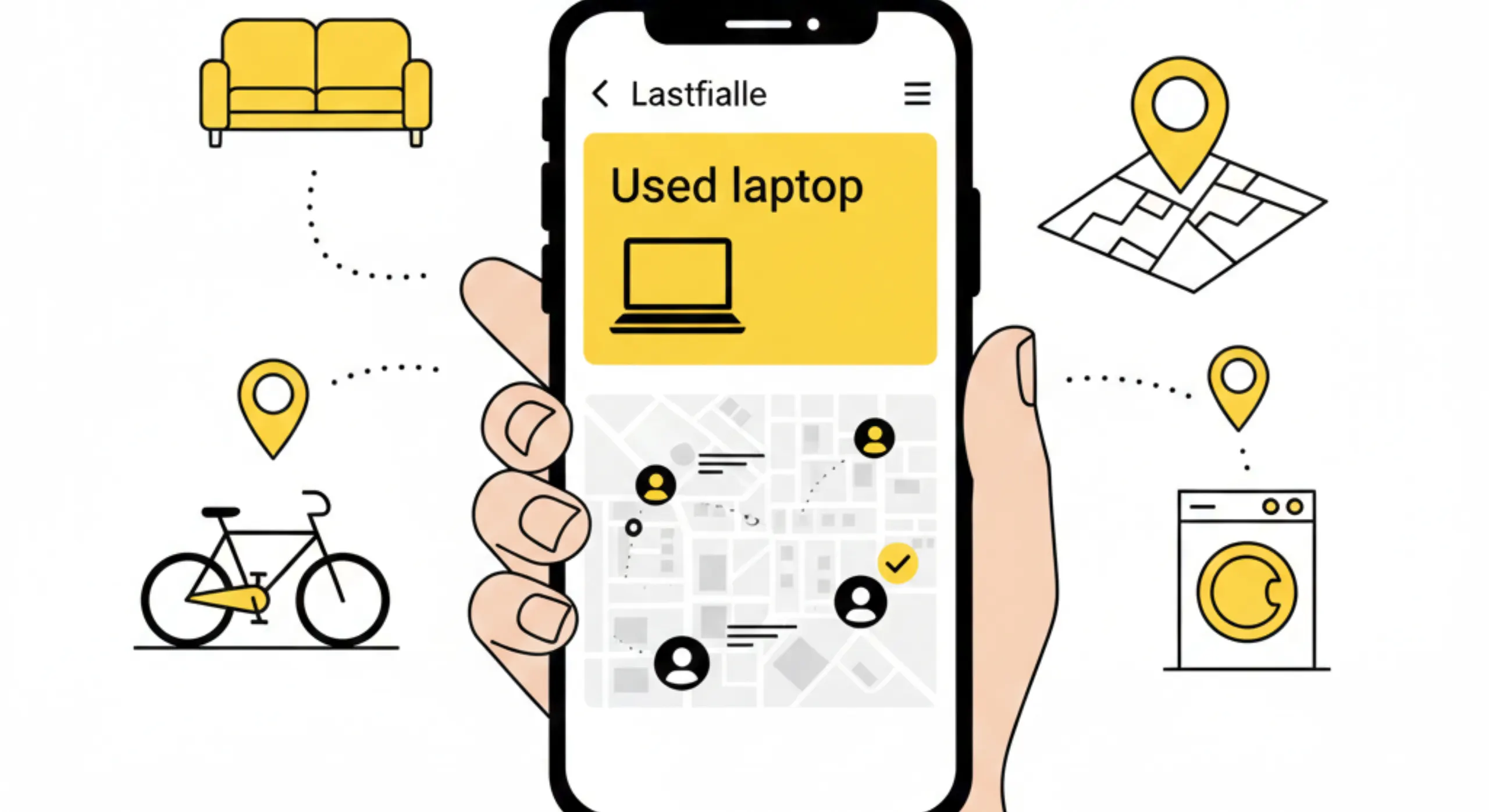
The good news is that overpaying is completely avoidable. When you buy and sell locally through Sympl, you can compare prices easily, understand local market rates, and negotiate from an informed position.
You just need to know what to look for before committing to a purchase.
Why People End Up Overpaying
The most common reason is rushing into a purchase without proper research.
When you need something urgently, you grab the first decent option you find. You don’t take time to compare prices or check what similar items are selling nearby.
Another issue is emotional buying. You like the item from the photos, convince yourself it’s worth the price, and overlook signs that it’s overpriced.
Some sellers take advantage of information gaps. They know many buyers won’t research thoroughly, so they price high and wait.
On large marketplaces, pricing is even more confusing. Listings range wildly. Some sellers are dealers posing as individuals. Accessories and conditions vary, making comparisons difficult.
In India, negotiation culture adds another layer. Buyers assume the price is inflated, negotiate slightly, and feel satisfied without realizing the “discounted” price may still be too high.
Knowing the actual market value is the strongest protection against overpaying.
Research Local Market Rates First
Before contacting any seller, understand what the item really costs in your area.
Browse multiple listings
Don’t rely on one or two posts. Look at at least five to ten listings for the same item.
Focus on your location
Prices vary by city and neighborhood. Local demand matters.
Compare similar condition and age
A one-year-old phone in excellent condition should not be compared with a three-year-old one with wear.
Check what’s included
Original box, charger, accessories, or bills can justify price differences.
Use multiple platforms
Different platforms attract different sellers. Cross-checking gives clarity.
Look at sold listings if available
Actual selling prices are more reliable than asking prices.
This research usually takes just 15–20 minutes and saves thousands.
Local buying makes this easier because you’re comparing nearby listings—not nationwide prices that distort expectations.
Understanding Depreciation for Common Items
Different items lose value at different speeds.
Electronics (phones, laptops, tablets)
Rapid depreciation. A two-year-old phone should generally cost well under half its original price.
Bikes and scooters
Value drops fastest in the first three years, influenced by mileage and condition.
Furniture
Solid wood holds value better. Generic or engineered furniture depreciates quickly.
Appliances
Age matters most. A five-year-old appliance has limited remaining lifespan.
Books and study materials
Textbooks lose value quickly as editions change. General books retain slightly more value.
If a seller is asking close to retail price for an older item, that’s a clear warning sign.
Red Flags That Signal Overpricing
- Price only slightly lower than new
- Seller using emotional logic (“I paid a lot for this”)
- Ignoring visible damage or missing accessories
- Dealer-style listings pretending to be individuals
- Refusal to negotiate despite high pricing
When you spot these, move on. Better deals exist.
Negotiating From a Position of Knowledge
Once you know fair pricing, negotiation becomes straightforward.
Make a reasonable first offer
If fair value is ₹9,000–₹10,000, offering ₹9,500 is logical—not insulting.
Reference real comparisons
Mention similar local listings to support your offer.
Point out condition issues calmly
Scratches, battery wear, missing accessories—all justify price adjustments.
Be ready to walk away
Often, sellers reconsider when they realize you know the market.
Negotiate in person
Seeing the actual condition gives you leverage.
Smart negotiation is based on facts, not pressure.
How Local Buying Helps You Avoid Overpaying
Buying locally works in your favor.
- Direct price comparison with nearby sellers
- In-person inspection before payment
- No hidden delivery or platform costs
- More realistic local pricing
- Faster correction of overpriced listings
Sympl connects buyers and sellers locally, making fair pricing easier to spot and negotiate.
Timing Your Purchase for Better Prices
Timing matters.
- End of the month → sellers may need cash
- After festivals or sales → more supply
- Start of academic year → textbook availability
- Older listings → more negotiable
- Avoid peak demand periods
Patience often leads to better deals.
Cost and Time Benefits of Buying Smart
Avoiding overpayment can save thousands on big purchases and hundreds on smaller ones savings that add up.
You also avoid regret, second-guessing, and wasted time.
For sellers, fair pricing leads to faster sales and serious buyers.
Common Mistakes That Lead to Overpaying
- Trusting photos blindly
- Assuming every seller is honest
- Getting emotionally attached too early
- Ignoring repair or replacement costs
- Buying the first option you see
Awareness prevents these mistakes.
Who Benefits Most From This Approach
- Students
- Families
- First-time second-hand buyers
- Working professionals
- Anyone focused on value-driven spending
Recognizing a Truly Good Deal
A good deal isn’t just cheap, it’s fair.
Good signs:
Clear pricing, honest seller, reasonable condition, sensible reason for selling.
Warning signs:
Prices too low, evasive behavior, pressure tactics, missing proof.
The goal is fair value not the lowest possible price.
Using Local Knowledge to Your Advantage
Over time, local buying teaches you real market pricing.
You recognize fair sellers, seasonal patterns, and realistic values. This knowledge compounds with every purchase.
Keeping transactions local strengthens trust and transparency especially when you’re part of a nearby buying and selling community.
Avoiding overpayment when buying second-hand isn’t complicated. It requires basic research, patient comparison, and confident negotiation.
Know what the item should cost locally. Inspect before paying. Negotiate based on facts. Walk away when prices don’t make sense.
When you buy and sell locally through Sympl, this process becomes natural. Direct communication, local comparisons, and in-person inspection all work in your favor.
Fair pricing benefits everyone. Buyers get real value. Sellers move items faster. And second-hand buying becomes what should be smart, practical, and stress-free.