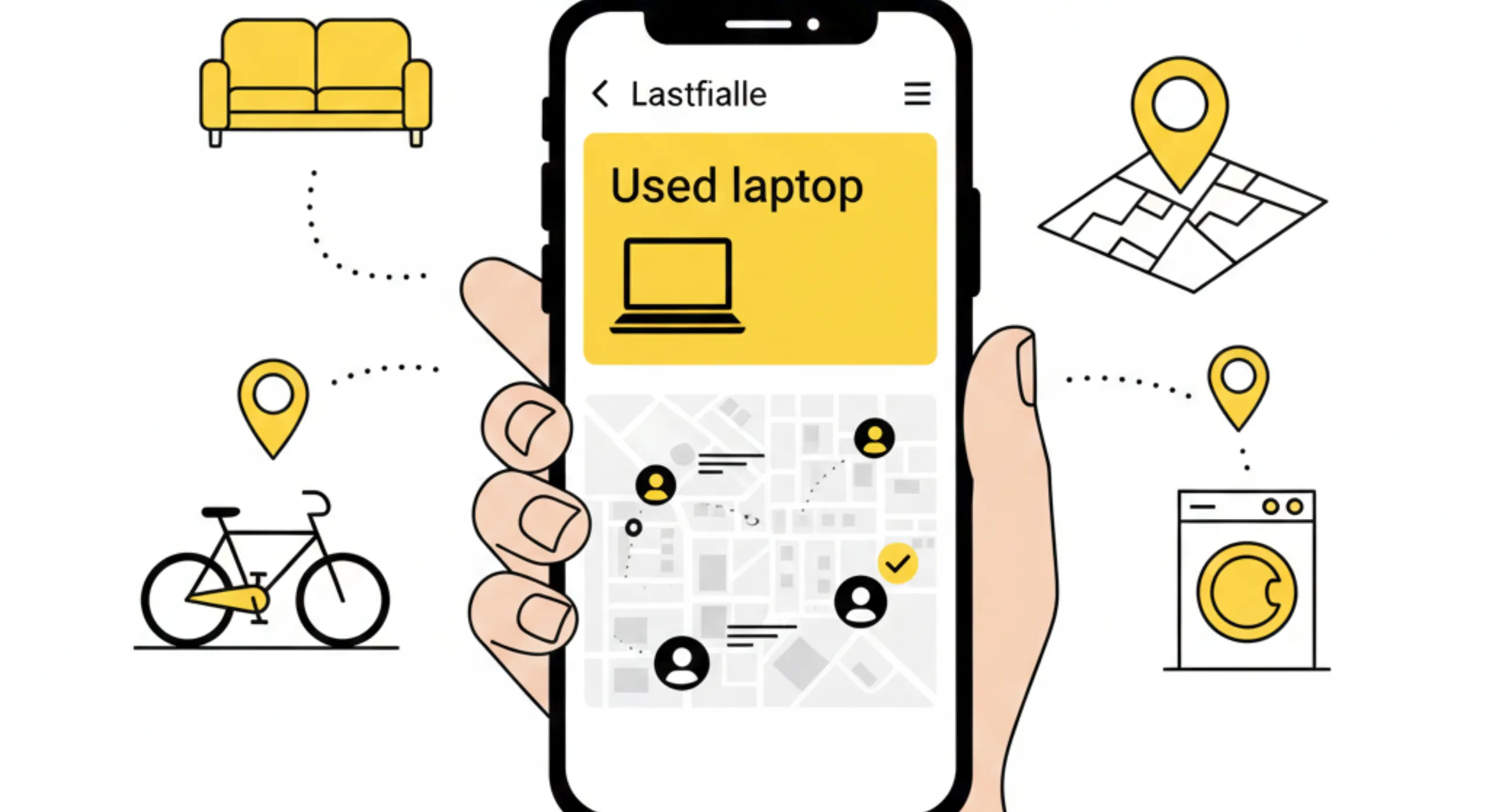
You’re on the metro heading home from work. You pull out your phone and start browsing for a second-hand bike.
Within minutes, you’ve scrolled through listings, filtered by your neighbourhood, messaged two sellers, and saved three options to check later.
By the time you reach your stop, you’ve arranged to see one bike tomorrow evening.
This is how most people shop now. Not sitting at desktops with research spreadsheets. Not planning elaborate shopping trips. Just quick phone sessions during commutes, lunch breaks, or while waiting in queues.
Platforms built for computers don’t fit this behaviour. Heavy apps, complicated interfaces, and multi-step processes frustrate users who have three free minutes to browse. Platforms like Sympl work differently; they’re designed for people who buy and sell locally using their phones, making quick decisions based on what’s immediately available nearby.
Why Desktop-Era Platforms Feel Clunky on Phones
Most large marketplaces were designed when people shopped on computers. They’ve adapted to mobile, but the underlying structure still assumes you have time and attention.
Too many steps to list items
Desktop platforms ask for detailed specifications, multiple photo uploads, category selections, and shipping preferences. On a phone, filling out these forms is tedious.
Cluttered interfaces
Screens packed with filters, menus, recommendations, and advertisements. On a small mobile screen, finding what you need becomes frustrating.
Heavy apps that drain resources
Large marketplace apps consume storage space, use significant data, and drain battery. For users with budget phones or limited data plans, this creates real barriers.
Slow loading times
Complex pages with high-resolution images and dynamic content take longer to load. When you’re on mobile data with patchy connectivity, waiting kills interest.
Difficult navigation
What works with a mouse and keyboard doesn’t always translate to thumbs on a touchscreen. Tiny buttons, nested menus, and scroll-heavy layouts frustrate mobile users.
For someone trying to sell items fast during their coffee break, these friction points make the task feel like work instead of a quick transaction.
How Mobile Behaviour Changed Buying Patterns
People don’t browse the same way they did ten years ago.
Shorter attention spans
Mobile users make snap decisions. If a listing doesn’t grab attention in seconds, they scroll past. Detailed descriptions matter less than clear photos and basic facts.
Instant gratification expectations
When someone sees something they want, they expect to contact the seller immediately. Waiting for messages to route through platform systems feels slow.
Contextual browsing
People check classifieds when they have spare moments during commutes, between meetings, while watching TV. They’re not in “shopping mode” with dedicated time to research.
Location-aware searches
Mobile users expect platforms to show what’s nearby first. They’re not interested in items across the city when they’re browsing during a bus ride.
Quick communication preferences
Calling or messaging via WhatsApp feels natural on phones. Typing long messages through in-app chat systems doesn’t.
Platforms designed for mobile-first behaviour align with these patterns. They make it easy to browse, connect, and transact entirely from a phone, without assuming users have time or patience for complexity.
How Sympl Adapts to Mobile Users
Local classifieds built for mobile prioritize speed and simplicity.
Fast listing creation
Take one or two photos, add basic details, set a price, and post. The entire process takes under a minute, perfect for doing while waiting for your food order.
Clean, scrollable interfaces
No clutter. Just listings with clear photos, prices, and locations. Easy to scan while standing in a crowded metro.
Location-first organization
Automatically shows items near you. No need to manually enter your location every time or filter through irrelevant results.
Direct contact options
Tap a phone number to call. Click a WhatsApp link to message. One touch connects you to the seller, not navigating through platform messaging systems.
Lightweight performance
Apps and mobile sites that load quickly, use minimal data, and don’t drain battery. Works smoothly even on entry-level smartphones.
Swipe-friendly browsing
Designed for thumbs, not mice. Large touch targets, simple gestures, and intuitive navigation that feels natural on a phone.
These features acknowledge reality: most users access these platforms on phones, often with limited time and attention.
Real-Life Mobile Buying Scenarios
Student buying textbooks during class break
Between lectures, Priya opens Sympl and searches for her semester’s textbooks in her college area. She finds three listings, messages all three sellers via WhatsApp, and by the time class ends, she’s arranged to pick up the books from a senior tomorrow.
Professional selling a laptop during commute
Rajesh decides to sell his old laptop while sitting in traffic. He takes two quick photos, posts them with basic specs and his locality, and by the time he reaches the office, two people have messaged him.
Parent browsing furniture during lunch
Anjali has 20 minutes for lunch. She browses “Furniture” listings in her neighbourhood while eating, finds a study table she likes, calls the seller immediately, and schedules a viewing for Saturday morning.
Worker buying a bike while on break
Suresh works shifts and has irregular free time. During a break, he checks bike listings nearby, spots one that fits his budget, messages the seller, and arranges to see it on his next day off.
None of these transactions would have happened if the platform required sitting at a computer or filling out lengthy forms. Mobile-first design made spontaneous browsing and quick decisions possible.
Features That Make Mobile Selling Easier
When you sell items fast through mobile platforms, specific features make the difference.
Camera integration
Take photos directly through the app or site. No downloading, editing, and uploading from gallery apps.
Autofill and templates
Common fields pre-populated or easy to fill with minimal typing. Especially helpful for frequently sold items like phones or bikes.
Voice-to-text support
Describe items by speaking instead of typing. Faster and more convenient, especially when multitasking.
Saved preferences
Location, preferred contact method, and other details remembered from previous listings. Less repetitive data entry.
Quick editing
Change price or mark items sold with a few taps. No navigating through multiple menus.
Instant notifications
Know immediately when someone messages about your item. Respond while they’re still interested instead of hours later.
These features respect that sellers are often listing items during spare moments, not dedicating focused time to the process.
Cost and Time Advantages of Mobile-First Platforms
Using platforms designed for phones saves more than just convenience.
No computer required
For users who don’t own computers or work on them regularly, phone-only platforms remove a barrier to entry. Everyone has a phone.
Lower data usage
Lightweight platforms consume less mobile data. Important for users on limited data plans or in areas with expensive data costs.
Faster transactions
Quick browsing, instant messaging, and immediate calls mean deals close faster. Less time between listing and selling means quicker cash in hand.
Multitasking efficiency
Check listings while commuting, eating, or waiting. No need to carve out dedicated time at a computer.
Location-based relevance
Mobile GPS integration means you automatically see items near your current location. Less time wasted on irrelevant listings.
For low-cost buying and selling, these efficiencies matter. Time saved is money saved, especially for people juggling multiple responsibilities.
Who Benefits Most From Mobile-Optimized Classifieds
Students
Always on phones, rarely on computers. Need to buy and sell textbooks, electronics, and hostel items quickly between classes and assignments.
Young professionals
Busy schedules mean transactions happen during commutes or breaks. Mobile platforms fit naturally into their existing phone usage patterns.
Gig workers and freelancers
Irregular schedules and constant movement. Need platforms they can access anytime, anywhere from their phones.
First-time sellers
More comfortable with phones than computers. Mobile-first platforms feel less intimidating and more familiar.
Budget-conscious buyers
Often using entry-level smartphones with limited storage and data. Lightweight platforms work better than heavy, resource-intensive apps.
Parents
Managing children while trying to buy or sell items. Phone-based platforms let them multitask checking listings while at the playground or during nap time.
Anyone whose life revolves around their smartphone benefits from platforms designed specifically for mobile use.
How Local Buying and Selling Fits Mobile Behaviour
The shift to local classifieds and mobile-first design aren’t separate trends—they reinforce each other.
Quick proximity checks
Mobile GPS instantly shows what’s near you. This makes local buying and selling practical because you can browse based on where you are right now.
On-the-go coordination
Call sellers while you’re nearby. Arrange to meet in 30 minutes at a local café. This spontaneity only works with mobile access.
Context-aware decisions
See a listing while commuting through a neighbourhood and realize it’s on your usual route. Buy it because the location is convenient, not because you planned to shop.
Immediate communication
Message sellers the moment you see something interesting. In local markets, speed matters—someone else might buy it in the next hour.
Photo verification requests
If you’re unsure about something, ask the seller for another photo via WhatsApp. They can send it immediately from their phone.
Platforms like Sympl combine mobile-first design with local focus, making both aspects work seamlessly together.
The Role of Visual Browsing on Mobile
Phone screens prioritize images over text.
Photos matter more than descriptions
Users scroll through visual feeds, stopping when something catches their eye. Clear, well-lit photos get attention. Long descriptions get skipped.
Vertical scrolling suits mobile
Endless feeds that users swipe through feel natural. Grid layouts with small thumbnails work less well.
Large, tappable images
Users want to zoom and examine photos. Small, cluttered image galleries frustrate mobile browsers.
First photo determines clicks
The main listing photo needs to show the item clearly. People decide whether to open a listing based on that single image.
For sellers, this means mobile platforms reward good photos more than detailed specifications. For buyers, it means faster visual scanning to find what they need.
Why Simple Beats Sophisticated on Mobile
Advanced features that impress on desktop often annoy on mobile.
Complex filters are hard to use
Twenty dropdown menus and range sliders don’t work well on small touchscreens. Simple category and location filters perform better.
Too many options overwhelm
Mobile users want to see a few good choices, not endless options. Curated, location-based results work better than comprehensive catalogs.
Multi-step processes frustrate
Every additional screen or form field increases the chance users will abandon the task. Single-page listing creation wins.
Feature bloat slows everything
AI recommendations, suggested searches, and personalized feeds require processing power and data. They also make interfaces cluttered.
Straightforward classifieds succeed on mobile because they strip away everything that doesn’t directly contribute to connecting local buyers and sellers.
Mobile Payment Integration
Phone-based transactions enable instant payments.
UPI everywhere
Buyers can pay immediately via UPI apps installed on their phones. No need for wallet top-ups or complicated payment gateways.
QR code scanning
Sellers can generate payment QR codes on the spot. Buyers scan and pay in seconds.
Cash remains king
For local in-person transactions, many people still prefer cash. Mobile platforms that don’t force digital payments respect this preference.
Payment confirmation
Instant notifications confirm when payments go through. Both parties have immediate proof of transaction.
This payment flexibility fits mobile-first behaviour. Everything happens on the phone you’re already using to browse and communicate.
Comparing Mobile and Desktop Experiences
Desktop marketplace
Sit at computer → Navigate to site → Complete detailed listing form → Upload photos from folders → Wait for approval → Check periodically for messages → Coordinate via platform chat.
Mobile classifieds like Sympl
Open phone → Snap photos → Fill basic details → Post immediately → Get instant notifications → Call/message via WhatsApp → Meet and transact.
The mobile experience isn’t just faster, it’s fundamentally aligned with how people actually live and make decisions now.
Desktop workflows assume dedicated time and attention. Mobile workflows assume fragmented moments and multitasking.
The Future of Local Marketplaces Is Mobile
Desktop access will remain available, but growth comes from mobile-first users.
Young people entering the second-hand market have never known desktop-centric internet. They expect everything to work perfectly on phones.
In India, millions of first-time internet users access the web exclusively through smartphones. For them, if it doesn’t work on mobile, it doesn’t exist.
Platforms that recognize this reality and design accordingly will serve users better. Those clinging to desktop-era assumptions will feel increasingly outdated.
Sympl and similar local classifieds succeed because they’re built for the way people actually behave now, not for how they shopped in 2010.
Final Thoughts
Mobile-first behaviour isn’t a temporary trend. It’s how people live now.
They browse during commutes. They list items during breaks. They make buying decisions based on what’s immediately available nearby.
Platforms that make this easy with lightweight design, location-first organization, instant communication, and minimal friction win users. Those that force desktop-era workflows onto mobile screens frustrate them.
When you buy and sell locally through platforms like Sympl, you’re using tools designed for your actual behaviour. Quick browsing, fast decisions, immediate contact, local transactions all from your phone, whenever you have a spare moment.
That’s not a feature. That’s just respecting how people actually use technology in 2026.
For anyone tired of clunky interfaces and complicated processes, mobile-optimized local classifieds offer something simpler: a platform that works the way you do.