We all have that drawer. The one with the old charger, the fitness band we used twice, or the book we swore we’d read again. And then there’s the cupboard with clothes that don’t fit, the laptop gathering dust, or the bicycle no one rides anymore.
Most of us know we should sell these things. But we don’t. We hold on, thinking we might need them someday. Or we list them on a marketplace, get flooded with messages that lead nowhere, and give up.
The truth is, letting go isn’t just about the item. It’s about how easy or hard the process feels. And when platforms make selling feel slow, complicated, or unsafe, we simply stop trying.
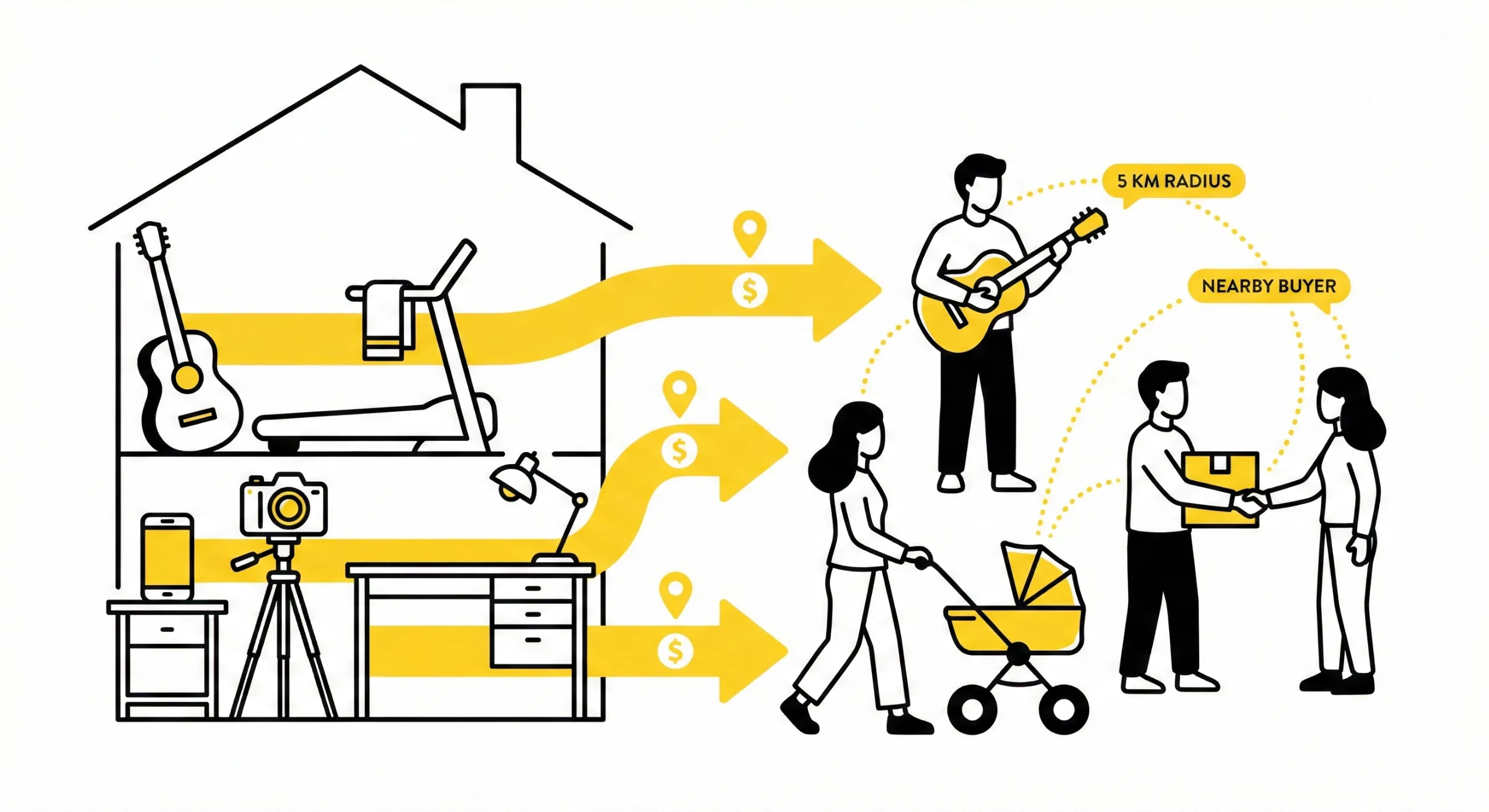
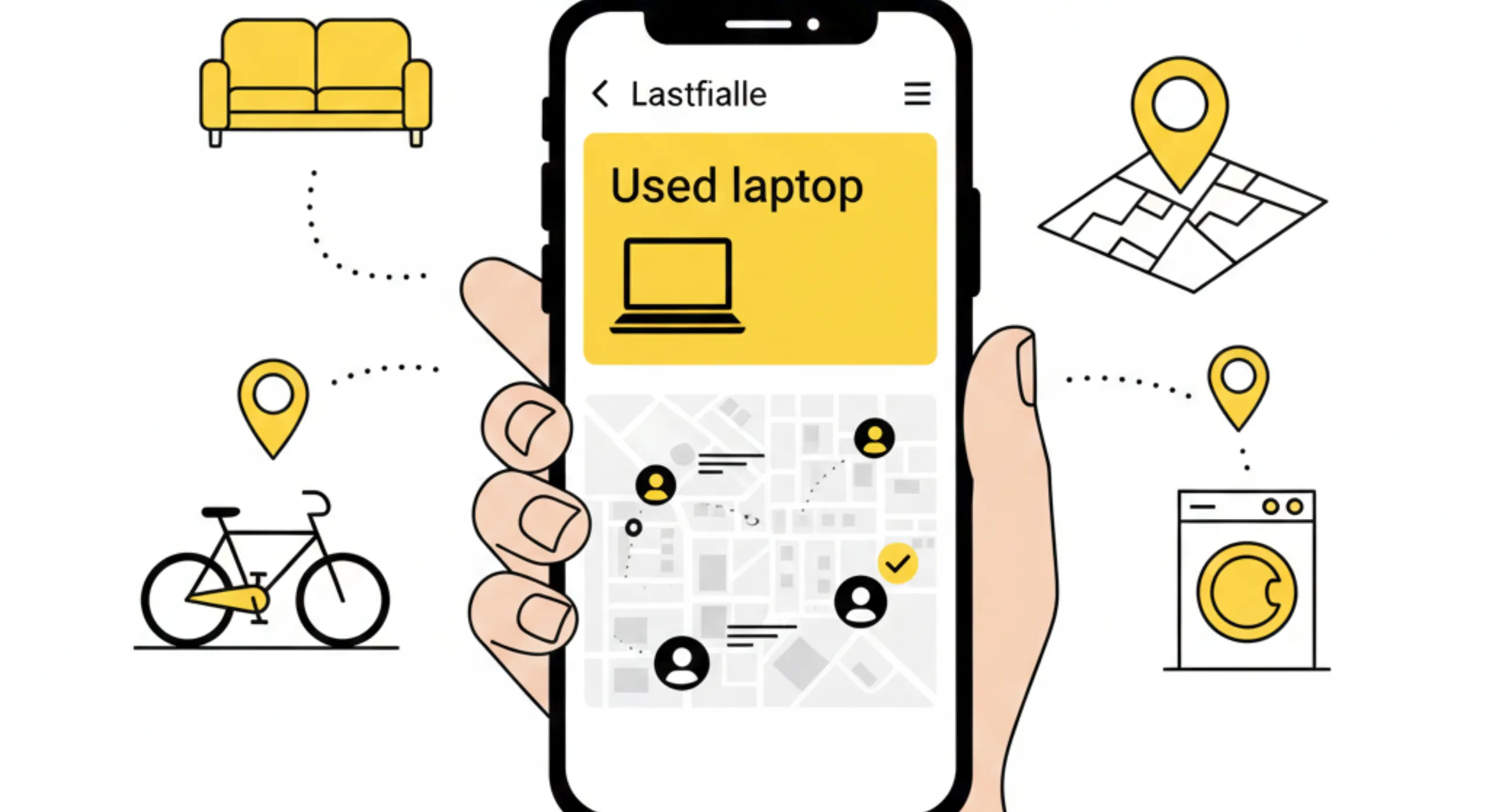
Local classifieds like Sympl solve this by keeping things direct and simple. You post, someone nearby sees it, you chat, you meet, and it’s done. No algorithms, no endless back-and-forth, no waiting for strangers across the city.
Why We Hold On to Things We Don’t Use
There’s a name for this: the endowment effect. Once we own something, we attach more value to it than it’s actually worth. That old phone? You paid ₹20,000 for it three years ago. Now it’s worth ₹3,000, but selling it still feels like a loss.
Then there’s decision fatigue. Selling means taking photos, writing descriptions, answering questions, negotiating prices, and arranging delivery. It’s easier to just leave it in the cupboard.
And finally, there’s attachment. That guitar you bought during lockdown represents a dream. Letting it go feels like admitting you failed.
But here’s the reality: unused items don’t gain value by sitting around. They lose it. And they take up space both physically and mentally.
The Real Cost of Not Selling
Holding on to unused items isn’t just clutter. It’s money stuck in things you’re not using.
A phone that was worth ₹8,000 last year might be ₹5,000 today. A textbook stack could fetch ₹1,500 now, but ₹500 next semester. A treadmill taking up your bedroom could get you ₹12,000 if you sell it before the next model drops the price further.
And it’s not just about money. It’s about stress. Every time you see that unused item, you feel guilty. You think, “I should sell this,” and then you don’t, and the cycle repeats.
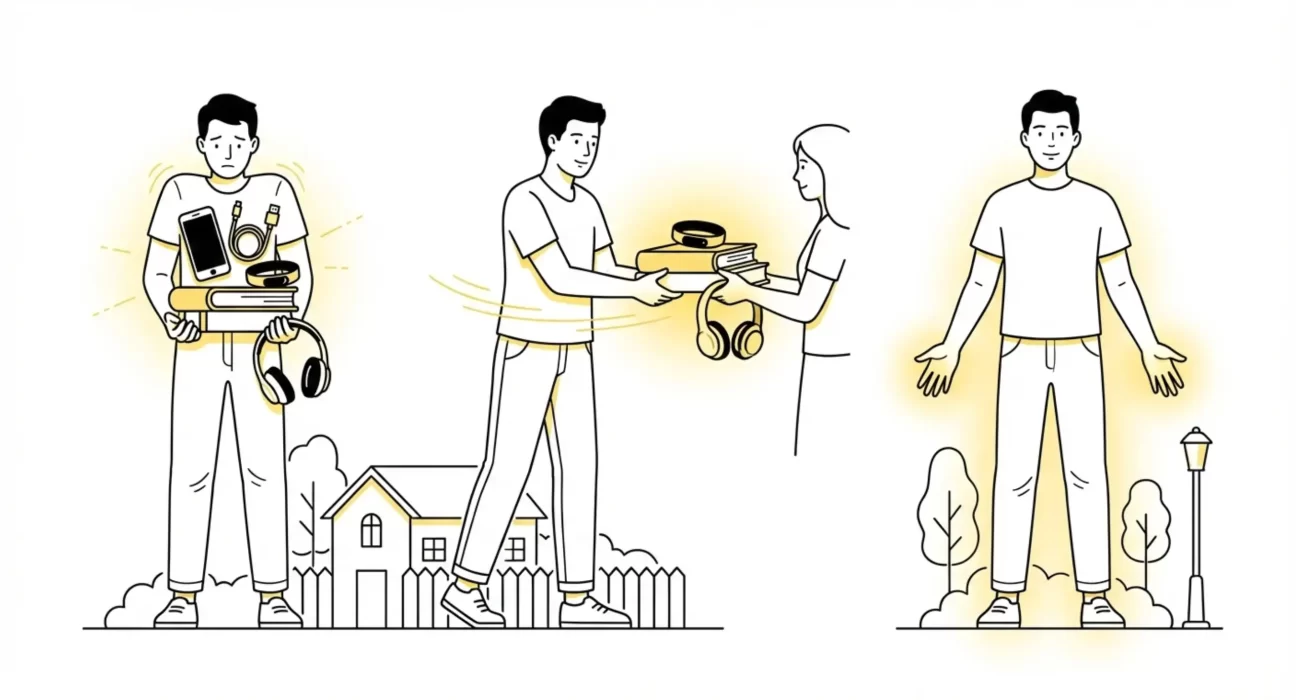
When you finally let go, the relief is real. You get cash, you clear space, and you stop carrying that mental weight.
What Makes Selling Feel Hard
Most people don’t avoid selling because they’re lazy. They avoid it because the process feels unreliable.
You list an item. You get 15 messages. Half are “lowest price?”. A few ghosts after chatting. One person negotiates for days and then backs out. Another wants you to ship it to another city and pay first.
It’s exhausting. And when the buyer is far away, you can’t verify anything. You’re stuck trusting strangers online, hoping they show up.
That’s where local buyers and sellers make a difference. When someone’s nearby, they’re more likely to be serious. They can come see the item, check its condition, and pay in person. There’s accountability.
Platforms like Sympl work because they don’t complicate this. You post, locals see it, and those who are interested reach out. No platform acting as a middleman. No inflated commissions. Just direct interaction.
How to Actually Let Go (Without Overthinking It)
If you’ve been meaning to sell something for months, here’s how to make it easier:
Start with one item. Don’t try to declutter your whole house at once. Pick the easiest thing—the phone you upgraded from, the chair you replaced, the bag you never use. Sell that first.
Price it to sell fast. If your old phone is listed online for ₹6,000 to ₹8,000, price yours at ₹5,500. You’ll get responses faster, and you won’t waste weeks negotiating.
Take clear photos. You don’t need a fancy camera. Just clean the item, use natural light, and take 3–4 pictures from different angles. Show any scratches or damage honestly.
Write a simple description. Say what it is, how old it is, and why you’re selling. Example: “iPhone 12, 128GB, used for 2 years, battery health 85%, minor scratches on the back, selling because I upgraded.”
Be available to reply. If someone messages, reply within a few hours. If you take two days, they’ve probably moved on.
Meet in a safe, public place. A local café, a park, or your building’s lobby. Don’t invite strangers home, and don’t go to unfamiliar locations alone.
Why Local Selling Works Better
When you sell items fast to someone local, the whole process shifts.
There’s less back-and-forth. You’re not explaining shipping policies or dealing with payment apps that freeze for days. You meet, they see the item, they pay, and it’s done.
There’s more trust. People are less likely to scam someone they might run into again. And if something goes wrong, you’re in the same city you can follow up.
And there’s speed. You’re not waiting for couriers or worrying about returns. List today, sell tomorrow, cash in hand.
Using simple classifieds on Sympl also means low-cost buying. When you’re the buyer, you skip the markup that sellers add to cover shipping and platform fees. You see the item in person before paying. You know exactly what you’re getting.
The Mental Shift: From “Someday” to “Sold”
Letting go isn’t about losing something. It’s about making room for what you actually use.
That ₹8,000 from your old laptop can go toward the new one you actually need. The ₹2,000 from selling textbooks can cover this month’s groceries. The space you clear can make your home feel less chaotic.
And once you sell one thing, the next becomes easier. You realise it’s not as hard as you thought. You stop overthinking.
Who Benefits Most from Selling Locally
Students often have textbooks, gadgets, or hostel furniture they no longer need. Selling locally on Sympl means quick cash without the hassle of packing and shipping.
Families accumulate things fast baby gear, old appliances, furniture. When kids outgrow something, selling it to another family nearby makes sense for both sides.
Working professionals upgrade phones, laptops, and bikes regularly. Selling the old one locally means you don’t lose too much value, and someone else gets a good deal.
First-time sellers benefit because local transactions feel safer. You’re not navigating confusing policies or worrying about fraud. You meet, you sell, you’re done.
Common Barriers (and How to Overcome Them)
“I don’t have time.” Selling locally takes less time than you think. Post on Sympl in the evening, reply to messages the next day, meet over the weekend. Total time? Maybe two hours.
“What if no one wants it?” If your price is fair and your item is in decent condition, someone will want it. Especially if it’s something commonly needed phones, bikes, furniture, appliances.
“What if I get scammed?” Meet in public. Check cash before handing over the item. If something feels off, trust your gut and walk away.
“I’m too attached.” That’s normal. But ask yourself: is this item improving your life right now? If not, let someone else use it.
The Bigger Picture: Building a Local Exchange Culture
When more people buy and sell locally, it creates a cycle. You sell your phone to someone nearby. They sell their bike to another local buyer. That buyer sells their old fridge to a family down the street.
It’s faster, cheaper, and more sustainable. Nothing goes to waste. Everyone saves money. And there’s less reliance on big, impersonal platforms that complicate simple transactions.
Sympl supports this because it doesn’t get in the way. No middleman taking a cut. No algorithms deciding who sees your post. Just you, your item, and the people around you who might need it.
Final Thoughts
Letting go of unused items isn’t about being ruthless or minimalist. It’s about being practical.
You don’t need to keep things out of guilt or “just in case.” If you haven’t used it in six months, you probably won’t. And someone else might actually need it.
Selling locally on Sympl makes the whole process easier. It’s faster, safer, and more straightforward than dealing with strangers across the country.
Start with one thing. Post it. Sell it. See how it feels.
You’ll clear space, make some money, and realise that letting go isn’t as hard as holding on.